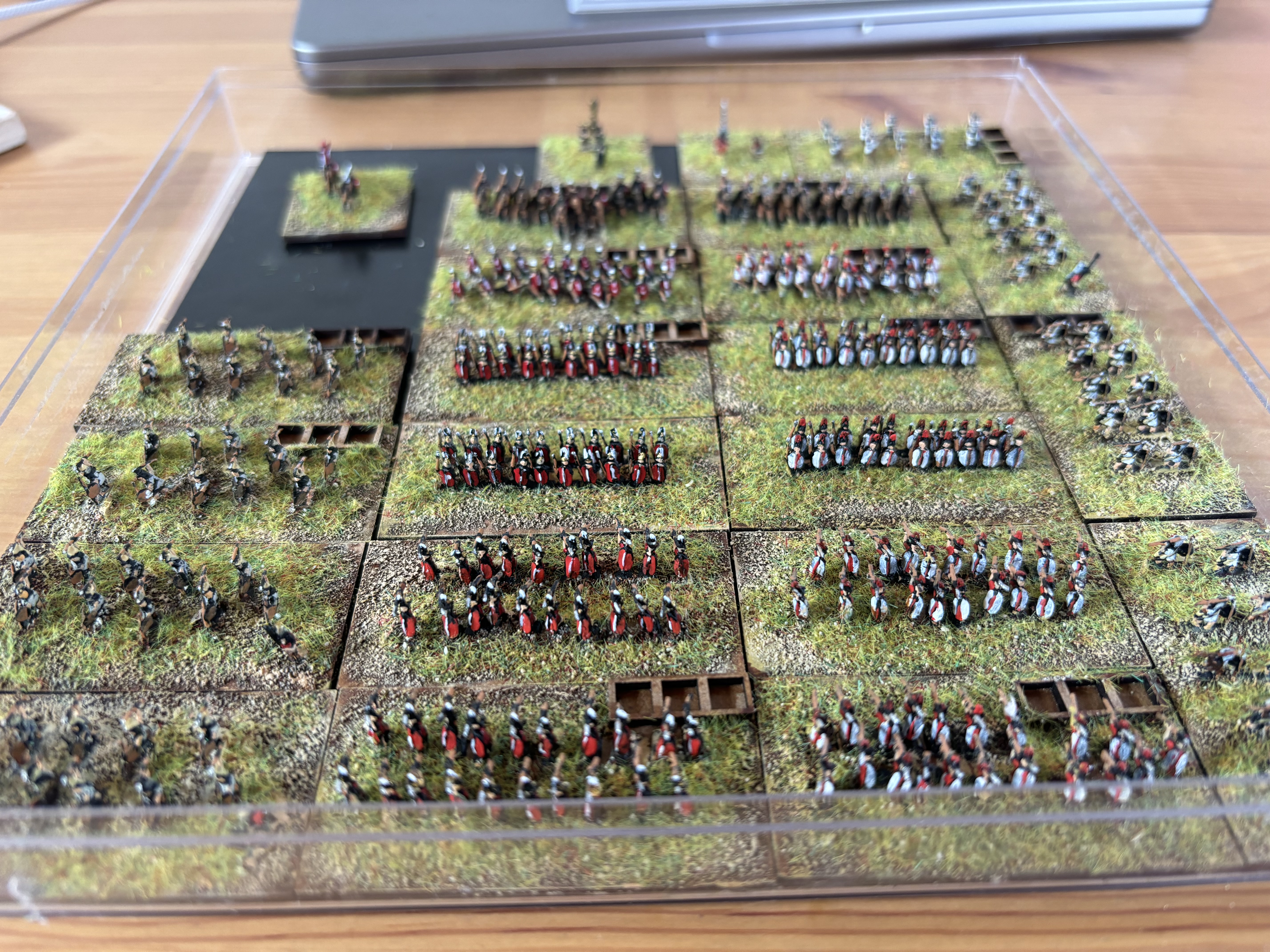
It's been another month since my last post. Wargaming activity has been noticeable by its absence, apart from playing a remote game 3 week's ago hosted by Jonathan of the Palouse Wargaming Journal. No painting activity either, and barely any related reading. One was the loosely related Wojtek the Bear (pro 'Voy-check') about the Persian bear adopted by Polish troops on their way through Iran during the War. Famously Wojtek loved a beer [NB not bear as in unedited version!], taking cold showers and in Italy was spotted helping carry boxes containing 25-pounder ammunition to the gunners whose battery he was attached to. Another was Dettingen 1743 by Michael Orr from the classic Battles for Wargamers series. This purchase was inspired by David-in-Suffolk of The Ragged Soldier blog. The book was good, in fact much better than I expected, and I have a couple of potential game scenarios in mind. So thanks David! A final read (last week) was Mark Simmons book on the Battle of Matapan, 1941.
 |
| Well outside my normal reading interest, but I really enjoyed it. For a naval novice like me it was a good, clear, concise read. I've taken to going to the local library recently and picked this up for holiday reading. |
So what of the post title, after that waffle? Well last week the Margravina and I (plus the Youngest of the Youngest for part of the week) took off to the south coast for the week. Highcliffe to be precise - just inside Dorset and near Christchurch. On the last day the M agreed to come with me to Hurst Castle (I'd earned it by accompanying her on horticultural type trips recently - always pays to get some Brownie points in the bag).
 |
| Hurst Castle is at the end of the bank south of Keyhaven Lake, Isle of Wight to the south of the maps and the famous chalk sea stacks known as the Needles are at the bottom left tip of the island |
Hurst Castle is one of those artillery forts built for Henry VIII along the southern shores of England after he'd fallen out with the King of France AND the Holy Roman Emperor and continued in use until after WWII. It's built at the end of a long shingle bank, lying 3/4 mile from the Isle of Wight, and thus controls access to the Solent from the west. The fort was expanded in the 19th century and was further adapted in the World Wars. The only way to get to the castle is either to take a short ferry ride or walk the shingle bank. We parked up in the village of Keyhaven and took the 2-mile walk, and got the ferry back. We spent a good couple of hours or so at the site and took MANY pictures, some of which are below. Hope you enjoy them!
 |
| Start of the walk from Keyhaven |
 |
| Keyhaven Lake |
 |
| The path from Keyhaven looking west before a turn to the south |
 |
| Still walking west! Realised we could have parked up here and saved a bit of shoe leather. |

 |
| The Needles |
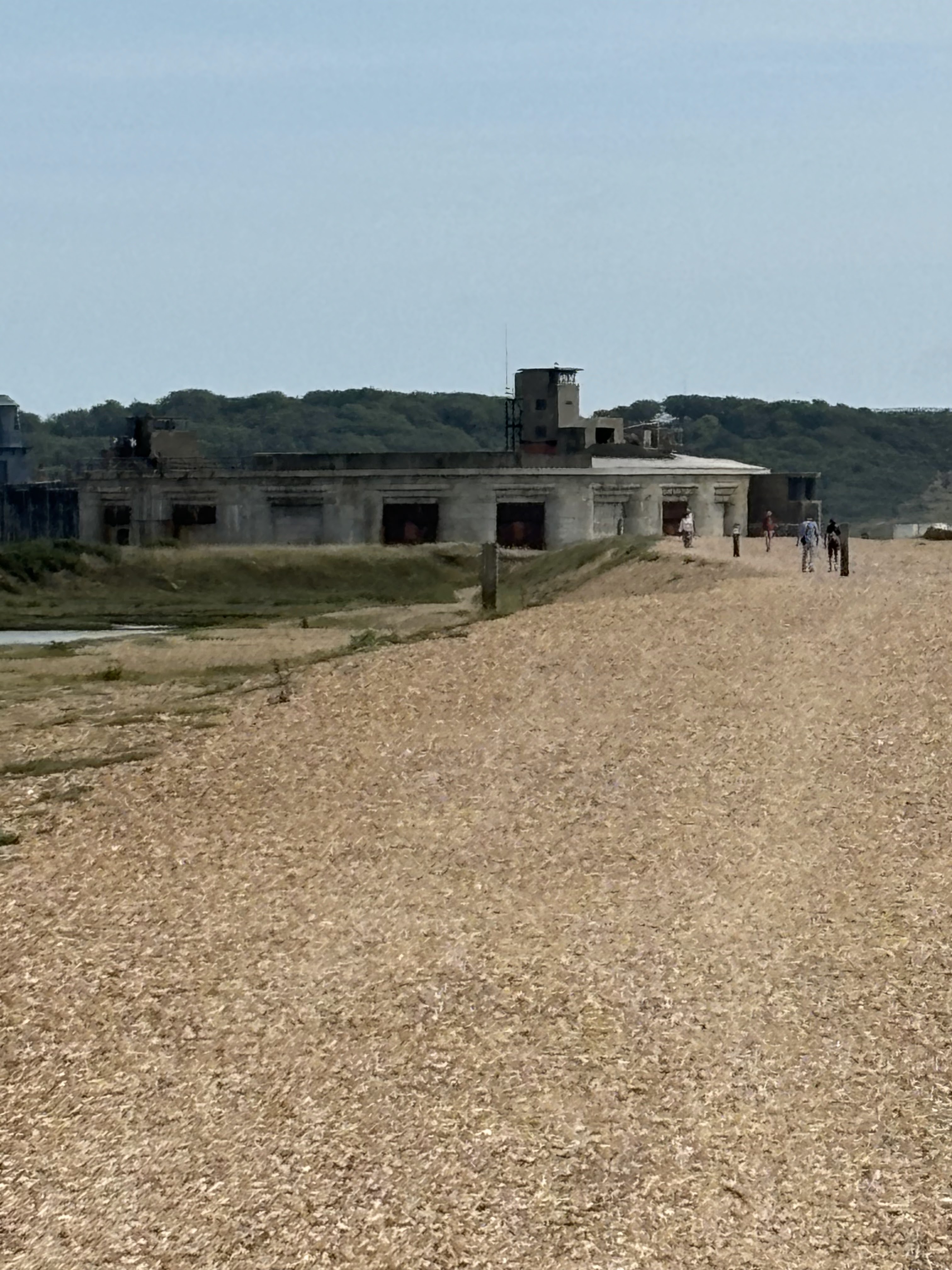 |
| The end of the shingle bank and the first part of the 19th C fortification. The bank is quite broad once you head south, and I reckon it is wide enough for a French infantry battalion in column of companies with a few skirmishers on the lower sections either side. I figured the best place to place the defensive line was at the southern end where there was space for a few companies in line. |
 |
| The lighthouse is to the east of the castle. |
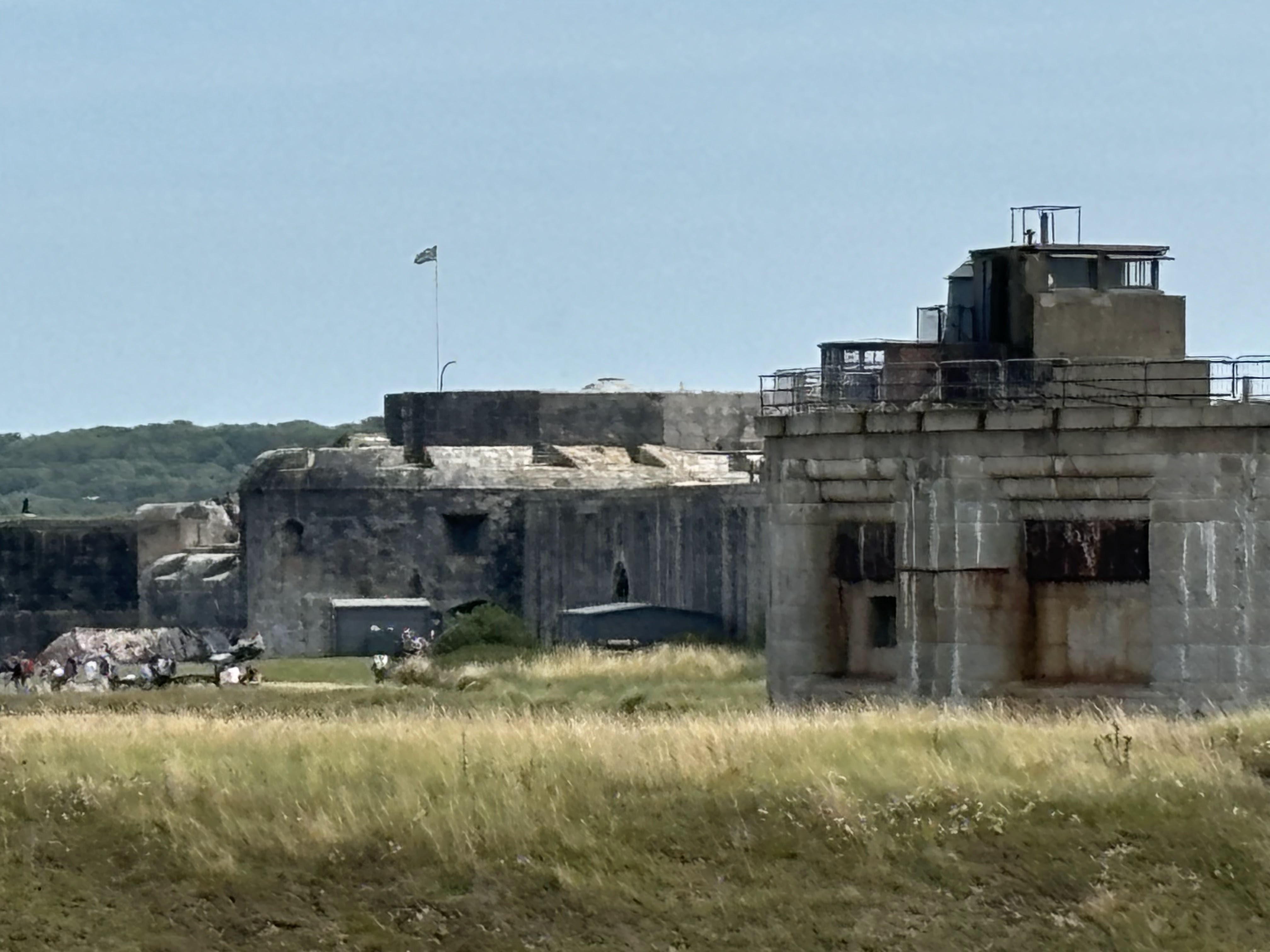 |
| The original fort in the centre with C19th addition to the right, topped by C20th lookout on top. |
 |
| View from the landward side (that's part of the 'lake' in shot). You can see how extensive the C19th additions are - the Henrician fort is the small protruberance just beyond the 2 towers. |
 |
| Looking back the way we came. |

 |
| Context information board |
 |
| Caponiere in the ditch on the landward side. If I remember correctly, this was a later addition. |

 |
| Just inside the entrance |
 |
| I could help singing "Meet the gang, cos the boys are here..." under my breath when I saw this. |
 |
| Collection of cigarette cards showing regimental colours and cap badges. It's not very often I covet things, but this was one such. |
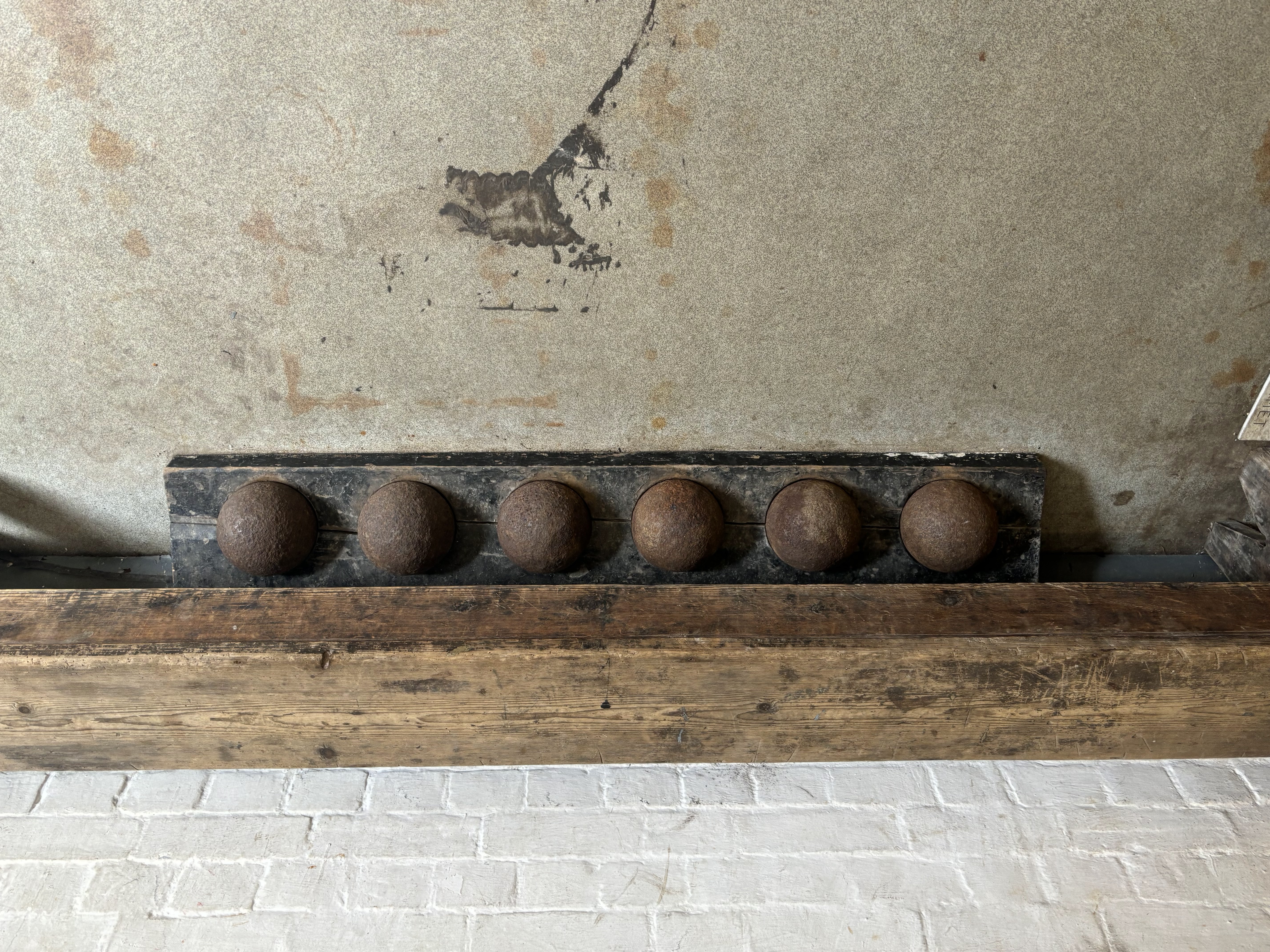 |
| 'Balls to the Emperor' as Henry might have said. |
 |
 |
| Small gauge railway, presumably for moving heavy ordnance |
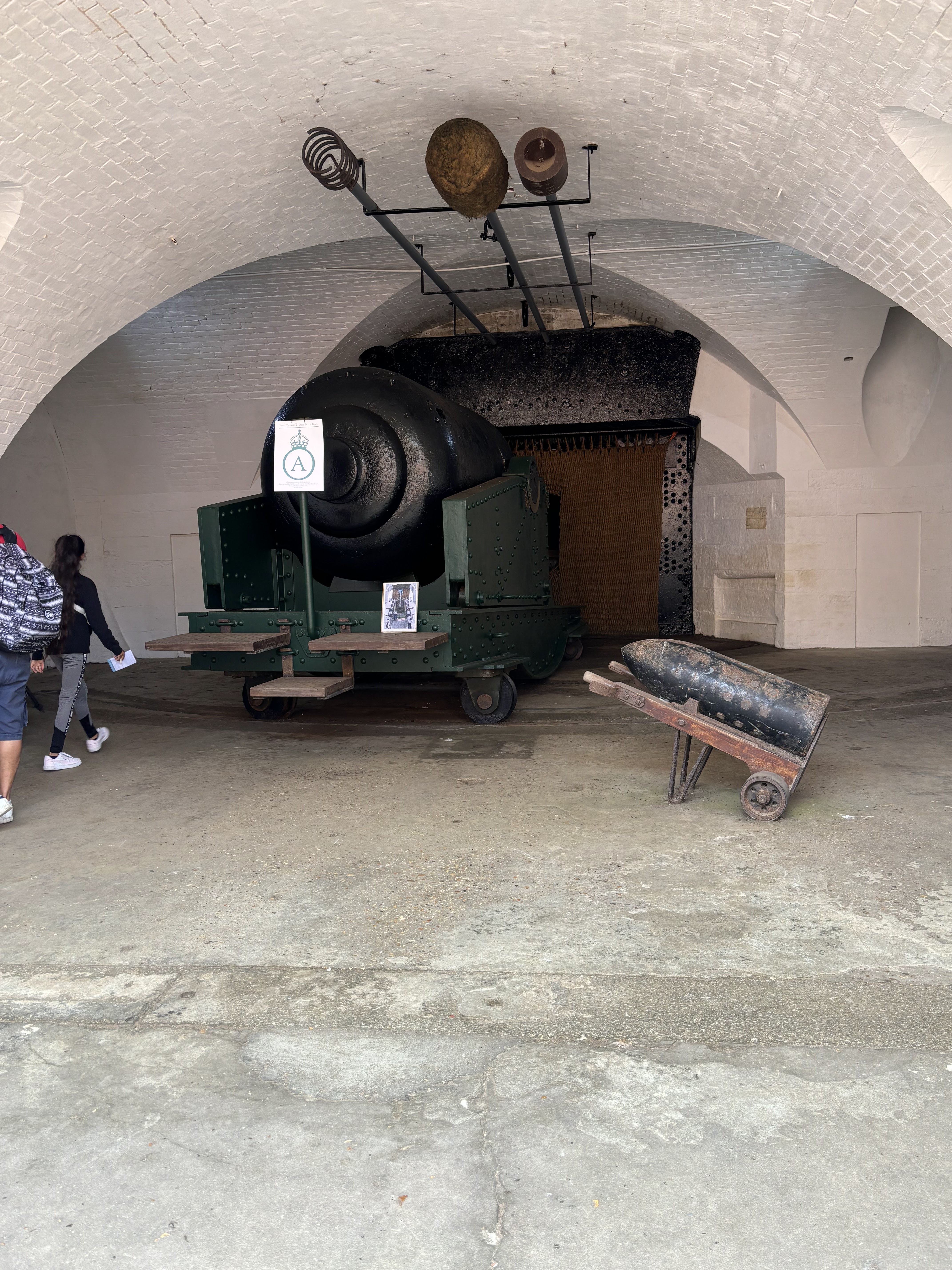 |
| Victorian gun, with people for scale! |
 |
| Illustration of the gun crew in position |

 |
| Remains of a gun barrel. You can see the rifling. |
 |
| Magazine |
 |
| Cockleshell Heroes? |
 |


 |
| View from one of the Henrician bastions towards the IOW. |
 |
| View from embrasure back towards the mainland |

 |
| The Henrician fort sweeps the ditch of the C19th extension. |
 |
| Inside the caponiere. Unfortunately flooded and it didn't look too clean for a paddle. |


 |
| Model of the castle c 1640. San caponiere. Q: is the flag anachronistic? Not officially adopted until 1707, but originally designed for naval use in 1606 (according to Wiki). |
 |
| Southsea Castle |


 |
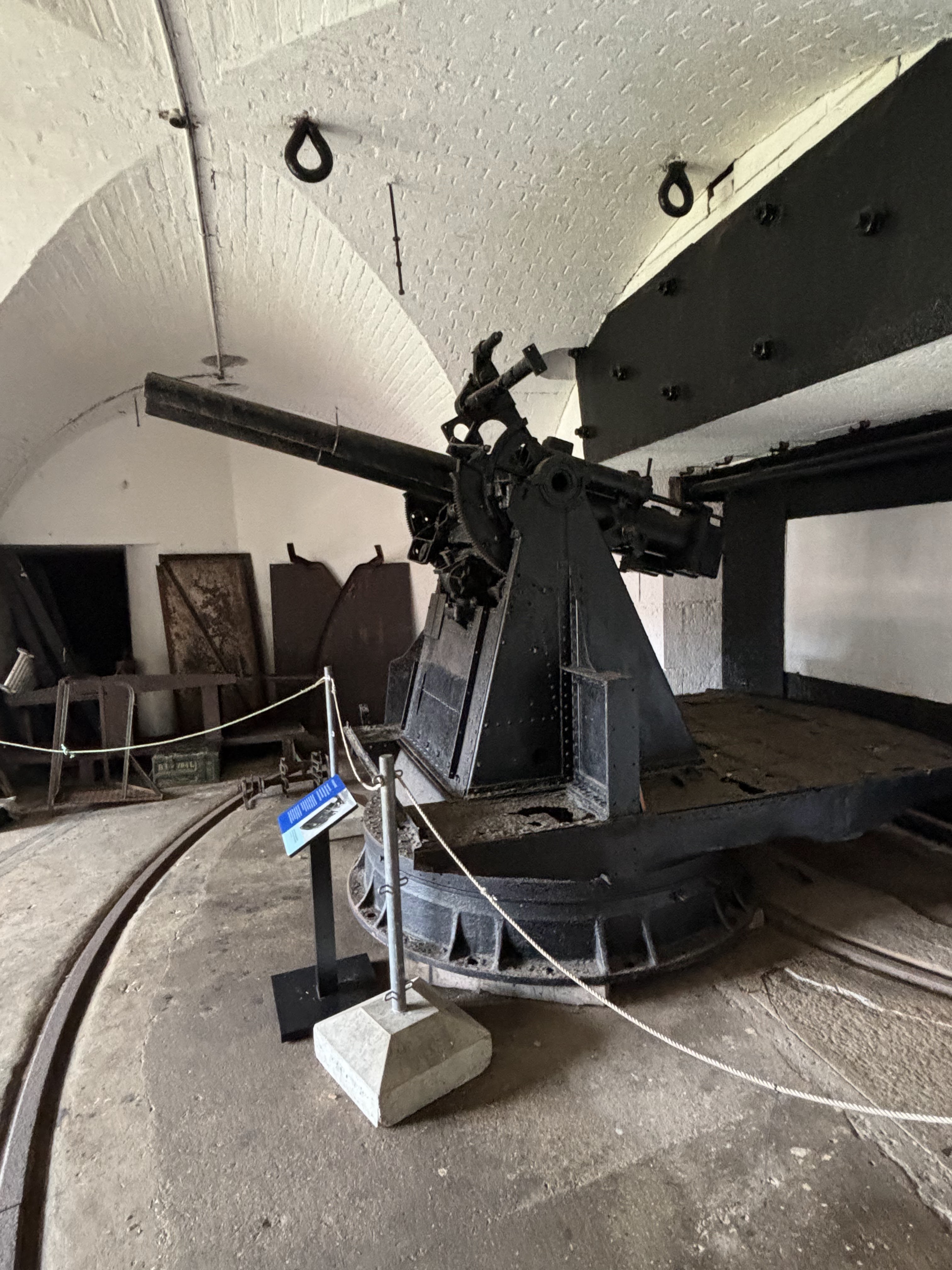
| Can't recall the name of this 'thing' where guns were mounted that could swivel. |

 |
| Another of those 'things', but for a larger gun |


 |
| Sheet music from a piano in the WWII 'theatre'. This was in one of the disused Victorian casemates. I started whistling the tune, then turned to face a grinning gent behind me. Oops! |


 |
| View from the ferry trip back. A very enjoyable afternoon. |

 |
| Unidentified building on the IOW |